

Analyze gambling’s core power: beat the house with exceptional insights
Understanding the Psychology of Gambling
The allure of gambling stems from a complex interplay of psychological factors, primarily revolving around the anticipation of reward and the thrill of uncertainty. Humans are naturally drawn to situations where potential gains outweigh perceived risks, creating an addictive loop of hope and excitement. This psychological draw is meticulously engineered within casino environments, from the flashing lights and sounds of slot machines to the social dynamics of table games, all designed to enhance the dopamine release associated with a win, or the near-miss that spurs further play.
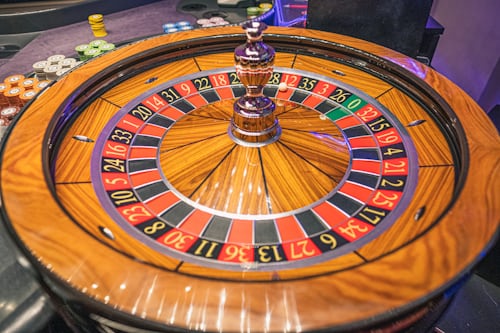
Beyond the immediate gratification, gambling taps into our innate desire for control and skill, even in games of pure chance. Players often develop strategies or superstitions, believing they can influence outcomes, a cognitive bias known as the illusion of control. This belief, however unfounded in statistically random games, provides a sense of agency that makes the gambling experience more engaging and, for some, more compelling. This psychological foundation is crucial for understanding why individuals are drawn to the gambling world, seeking both fortune and a unique form of entertainment. pure casino app
Strategic Approaches to Gambling Games
While many casino games rely heavily on luck, certain games offer opportunities for strategic play that can, to a degree, mitigate the house edge. Games like blackjack, for instance, involve decision-making at each step, where understanding basic strategy charts can significantly improve a player’s odds by dictating the optimal play for any given hand combination. Similarly, in poker, skill, observation, and strategic betting are paramount, allowing adept players to outperform less experienced ones over time, turning a game of chance into one of skill and psychology.
Even in games that appear purely random, like roulette, understanding the probabilities associated with different bets is a form of strategic insight. While no strategy can guarantee a win against the inherent house advantage, informed betting can prolong gameplay and potentially lead to smaller, more frequent wins. For players aiming to “beat the house,” this involves not just understanding the rules but also mastering the mathematical probabilities and psychological nuances of each game, recognizing when to bet, when to hold, and when to walk away.
The Role of Probability and House Edge
At the heart of every casino game lies the concept of probability and the built-in advantage known as the house edge. This edge is the mathematical guarantee that, over the long run, the casino will always retain a percentage of all wagers placed. Understanding this fundamental principle is the first step in approaching gambling realistically. For example, in slot machines, the payout percentage is predetermined, ensuring the casino’s profitability regardless of individual player outcomes.
Different games possess varying house edges. Games like craps and roulette offer a range of bets, some with lower house edges than others. By choosing bets with more favorable odds, players can extend their playing time and reduce the impact of the house’s advantage. This informed approach to betting, focusing on games and wagers with smaller edges, is a key element of responsible gambling and a crucial insight for anyone looking to maximize their potential enjoyment and minimize their losses, rather than aiming for an impossible guaranteed win.
Managing Bankroll and Responsible Gambling
Effective bankroll management is a cornerstone of sustainable gambling. This involves setting a strict budget for gambling activities and adhering to it without exception. Players should determine the maximum amount they are willing to lose before they begin playing and divide this into smaller sessions. This prevents impulsive spending and ensures that gambling remains an enjoyable pastime rather than a financial burden. Knowing when to stop, whether one is winning or losing, is a sign of disciplined play.
Responsible gambling extends beyond financial management to include emotional control and awareness. It’s vital to recognize the signs of problem gambling, such as chasing losses, gambling with money needed for essentials, or experiencing negative consequences in personal relationships due to gambling. Platforms that promote responsible gaming offer tools like deposit limits, self-exclusion options, and readily available resources for support. Understanding the psychological drivers and potential pitfalls is paramount to ensuring that the thrill of gambling remains a form of entertainment and does not escalate into a harmful addiction.

Pure Casino: A Platform for Engaging Gambling Experiences
Pure Casino aims to provide a comprehensive and engaging platform for individuals interested in the world of gambling. It offers a variety of games, catering to diverse player preferences, from classic table games to modern slot machines. The platform emphasizes a user-friendly interface, designed to make navigation intuitive and the overall experience enjoyable, whether one is a seasoned player or new to online casinos.
By focusing on a secure and regulated environment, Pure Casino strives to offer peace of mind to its users. They highlight their commitment to fair play and responsible gaming practices, providing resources and tools to help players manage their activity. For those looking to explore different forms of gambling in a controlled setting, Pure Casino presents itself as a viable option, offering a gateway to various casino entertainment experiences while underscoring the importance of informed and responsible participation in all gambling activities.